
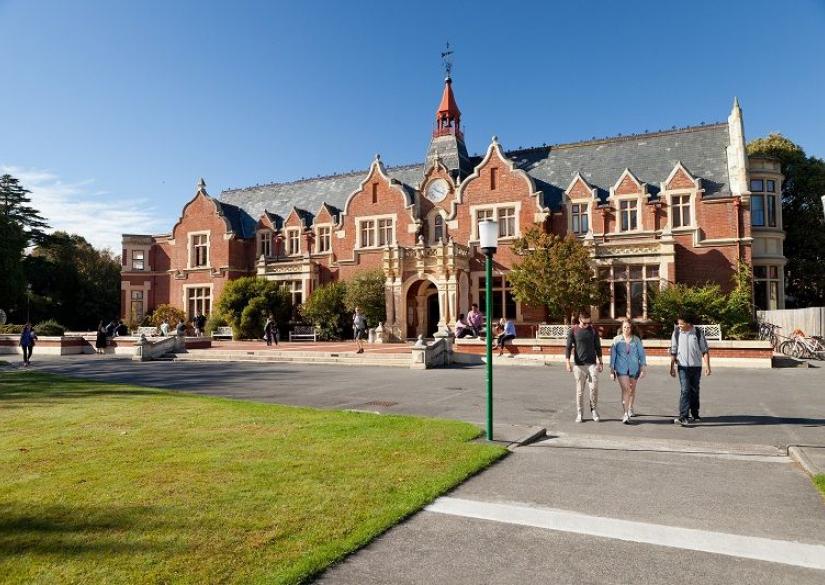
For many international students, studying in New Zealand is more than just an education decision, it’s the first step toward building a long-term future.
Choosing the right university plays a significant role in that journey. It’s not only about academic quality, but also about the environment, the support available, and how your studies align with future opportunities.
Lincoln University offers a study experience that stands out for all the right reasons.
A Supportive University Experience with Global Recognition
Located just outside Christchurch, Lincoln University offers a study environment that feels quite different from larger, fast-paced institutions. The campus is smaller, more focused, and designed in a way that allows students to settle in quickly, find their rhythm, and feel part of a supportive community from the outset.
With a strong student-to-staff ratio, learners benefit from more direct interaction with lecturers and a more personalised academic experience. This supportive environment is reflected in the university’s results, with around 91% of students successfully completing their courses and approximately 82–84% of graduates moving into paid employment.
Despite its size, Lincoln also holds strong global credentials. It is ranked within the top 400–450 universities worldwide and sits within the top 101–150 globally for agriculture and forestry, a key area of strength.
Day-to-day life on campus is simple and manageable. Everything from accommodation and lecture halls to study spaces and support services is within walking distance, making it easier for students to adjust to a new environment. At the same time, Christchurch is just a short distance away, offering access to part-time work, internships, and a broader social and cultural experience.
This balance between a close-knit campus and access to a city environment is one of Lincoln’s biggest advantages, providing both focus and opportunity in equal measure.
Specialist Study with Real-World Relevance
What truly sets Lincoln University apart is its focus. As New Zealand’s only specialist land-based university, it offers programmes in:
- Agriculture
- Environmental science
- Food production
- Agribusiness
- Tourism
These are not only globally relevant industries, they are central to New Zealand’s economy and future growth. For students, this means gaining practical, industry-linked skills that extend far beyond the classroom and are directly connected to real-world opportunities.
One area worth highlighting is horticulture. With many universities in countries like the UK and USA reducing or removing horticulture programmes, New Zealand, and Lincoln University in particular, is becoming an increasingly attractive option. Horticulture plays a significant role in the local economy, and studying in this field can open up meaningful opportunities both during and after study.
For students interested in this sector, Lincoln offers a clear and focused pathway in an area that is becoming increasingly difficult to access elsewhere.
How Studying Fits into Your Immigration Journey
Studying in New Zealand can be part of a broader plan. A New Zealand Student Visa allows international students to live and study full-time, and in some cases, may lead to post-study work opportunities. Depending on your field of study and long-term goals, this can become a pathway toward skilled employment and, eventually, residence.
The important part is planning this journey correctly from the start.
How Woburn International Supports Your Journey
At Woburn International, we work with students and families who are considering New Zealand not just for study, but for what comes next.
Our role is to help you:
- Understand your Student Visa options
- Align your study choices with long-term goals
- Navigate application requirements and timelines
- Plan for what happens after graduation
With over 30 years of experience in immigration and relocation, we provide clear, practical guidance to ensure your study journey is set up for success from the beginning.
If you’re thinking about studying in New Zealand, understanding your options early can make all the difference.
Get in touch with Woburn International to start planning your journey today.
Frequently Asked Questions (FAQs)
1. What visa do I need to study at Lincoln University?
To study at Lincoln University as an international student, you will typically need a New Zealand Student Visa. This allows you to live and study full-time at an approved education provider, provided you meet the requirements set by Immigration New Zealand, including an offer of place, proof of funds, and health and character criteria.
2. Can studying in New Zealand lead to residency?
In some cases, yes. While a Student Visa does not guarantee residency, completing a qualification in a field aligned with New Zealand’s skills needs may lead to post-study work opportunities. This can then create a pathway toward skilled employment and, potentially, residence.
3. Why is Lincoln University a good choice for international students?
Lincoln University offers a more focused and supportive learning environment, with strong academic outcomes and industry-connected programmes. Its specialist focus on land-based subjects such as agriculture, environmental science, and agribusiness makes it particularly appealing for students looking to gain practical, globally relevant skills.
4. Can I study horticulture at Lincoln University?
Yes, Lincoln University offers programmes aligned with horticulture as part of its specialist focus on land-based industries. With horticulture playing a key role in New Zealand’s economy, studying in this field provides access to practical, industry-relevant knowledge and potential career opportunities.
5. How can Woburn International help me study in New Zealand?
Woburn International provides guidance on Student Visa applications, helping you understand requirements, prepare documentation, and align your study plans with your long-term goals.
6. When should I start planning my move to study in New Zealand?
It is recommended to start planning at least 6–12 months in advance. This allows enough time to choose the right course, secure your place, prepare your visa application, and organise your relocation.